10 Thick Layered Hair Ideas
Thick layered hair ideas focus on structured cutting techniques that create movement, volume balance, and shape definition for naturally dense hair. This hairstyle approach is widely featured in Pinterest ideas because it helps transform heavy hair into a more manageable and visually dynamic form. Layers are strategically cut to remove excess weight while maintaining fullness, resulting in a balanced silhouette that enhances natural texture. The concept is not limited to one hair type, but it is especially useful for thick hair that tends to feel bulky or difficult to style. Readers will learn how layered structures influence hair flow, how different layering methods change appearance, and how styling choices can enhance the final look. This topic is practical because it combines aesthetic improvement with functional benefits such as easier maintenance and reduced styling time. It also aligns with modern hair trends that prioritize natural movement, soft structure, and adaptable everyday styling suitable for various face shapes and personal styles.
Why This Idea Is Trending or Useful
Thick layered hair ideas are trending because they solve a common styling challenge while offering visually appealing results. Many individuals with dense hair look for ways to reduce heaviness without losing length, and layered cutting provides a structured solution. The popularity of this style on Pinterest comes from its versatility, as it can be adapted into short, medium, or long hairstyles while still maintaining balance. It also supports both casual and professional looks, making it suitable for different lifestyles. From a design perspective, layers add dimension, allowing hair to move naturally instead of appearing flat or overly compact. This aligns with current beauty preferences that emphasize soft texture and effortless styling. The DIY inspiration factor also plays a role, as people often seek reference images and guidance before visiting salons. Layered haircuts are accessible to beginners in styling because they require minimal daily effort once properly shaped. The combination of practicality, aesthetics, and adaptability makes this topic consistently relevant in modern hair inspiration trends.
Materials and Preparation
Preparing for thick layered hair styling or haircut planning involves understanding hair density, length goals, and maintenance needs. Essential materials include professional hair-cutting tools if trimming at home is considered, such as sharp scissors, sectioning clips, a wide-tooth comb, and a spray bottle for controlled dampness. However, most layering designs are best planned with professional guidance to ensure precision. Preparation begins with analyzing natural hair texture, growth patterns, and volume distribution. This helps determine where layers should be added for optimal balance. Planning also includes selecting reference images from Pinterest ideas to communicate desired outcomes clearly. Hair condition should be healthy before layering, as damaged ends can affect the final appearance of structured cuts. Washing and detangling hair before assessment ensures accurate sectioning. Lighting and mirror setup are also important when evaluating shape and symmetry. Proper preparation ensures that the layered result enhances natural beauty while maintaining manageability and long-term styling ease.
Idea 1: Long Flowing Soft Layers
How to Create
Long flowing soft layers are designed to maintain overall hair length while introducing subtle shaping that enhances movement and reduces bulk. This style works well for thick hair that appears heavy at the ends, as it distributes weight evenly throughout the length. The concept focuses on creating gentle transitions between sections rather than sharp or dramatic cuts. Soft layering allows hair to fall naturally while still gaining dimension and lightness. This approach aligns with modern design principles that emphasize effortless structure and natural flow. It is suitable for individuals who prefer a polished yet relaxed appearance without losing the visual impact of long hair. The result is a balanced silhouette that frames the face softly while maintaining volume control. This style is widely featured in Pinterest ideas due to its versatility and suitability for both casual and formal settings. It enhances natural texture while maintaining a smooth, cohesive appearance.
Step-by-Step Guide
Creating long soft layers begins with sectioning the hair into even horizontal parts to ensure balanced cutting. The stylist or planner identifies the shortest layer point, usually around the face framing area, and gradually blends downward. Small, controlled cuts are made to avoid removing too much volume at once. The layering process continues evenly across all sections to maintain symmetry. Hair is checked frequently for balance and flow consistency. Once cutting is complete, gentle styling techniques such as blow-drying with a round brush help emphasize movement. Lightweight products may be used to maintain softness without adding heaviness. Regular trimming ensures the layers maintain their shape over time. This method is beginner friendly in concept but requires precision for best results, making it ideal for professional execution or careful planning.

Idea 2: Face Framing Layered Cut
How to Create
Face framing layered cuts focus on highlighting facial features by adding shorter, strategically placed layers around the front section of the hair. This technique enhances natural bone structure and creates a soft contouring effect without makeup. It is especially effective for thick hair because it reduces weight near the front while maintaining volume at the back. The layers are designed to blend gradually into the rest of the hair, ensuring a seamless transition. This style is popular in Pinterest inspiration because it adds definition without requiring dramatic length changes. It works well with both straight and wavy textures, making it highly adaptable. The framing effect draws attention to the eyes and cheekbones while maintaining a natural overall look. It is a simple yet impactful way to update thick hair while preserving its fullness and strength.
Step-by-Step Guide
To create face framing layers, the front sections of the hair are separated carefully and assessed based on face shape and desired length. The shortest point is determined first, usually starting near the cheekbone or jawline. Gradual cutting is done downward to blend into longer sections. Precision is important to ensure symmetry on both sides. Once the front layers are shaped, they are blended into the main body of hair using soft transition techniques. Styling involves light curling or straightening to emphasize the framing effect. Maintenance includes regular trimming to keep the shape defined. This approach is beginner friendly in styling but requires careful sectioning to achieve a balanced finish. It is widely used in creative hair inspiration for its ability to transform appearance with minimal structural change.
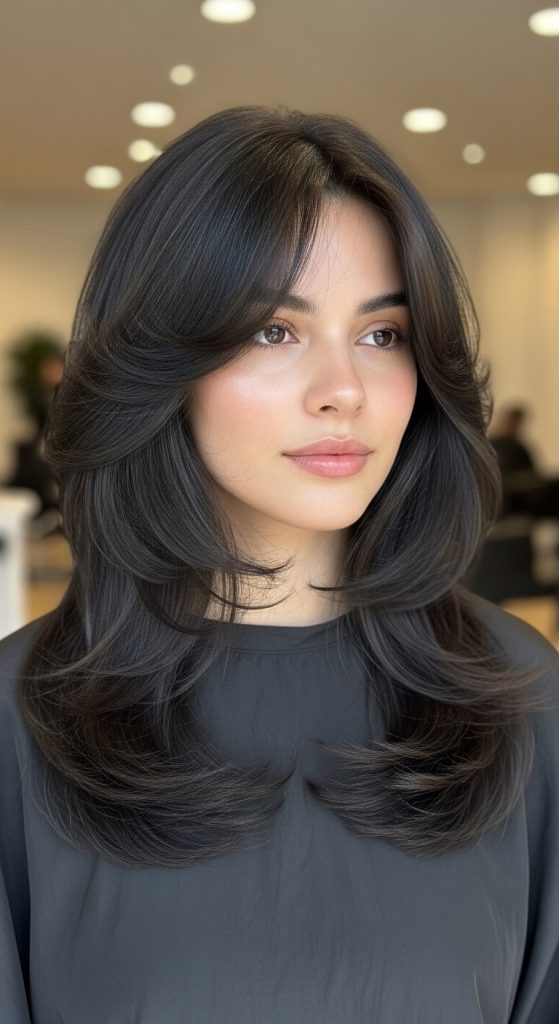
Idea 3: Choppy Layered Texture Cut
How to Create
Choppy layered texture cuts introduce controlled unevenness into thick hair to create a more dynamic and modern appearance. Unlike soft layers, this method uses sharper transitions between sections to enhance texture and movement. It is ideal for individuals who prefer a slightly edgy but still wearable hairstyle. The choppy effect reduces heaviness while giving the hair a more defined structure. This style works particularly well for thick hair that tends to appear too uniform or bulky. The overall goal is to create visual interest through variation in layer lengths while maintaining balance. It is commonly featured in Pinterest ideas for its contemporary aesthetic and versatility. The style supports both natural and styled looks, making it suitable for everyday wear with minimal effort.
Step-by-Step Guide
To achieve choppy layers, the hair is divided into multiple sections and cut using point-cutting techniques to create uneven edges. Each section is worked individually to ensure variation in length while maintaining overall harmony. The stylist focuses on removing weight without creating harsh lines. Once cutting is complete, texturizing techniques are applied to enhance separation and movement. Styling can include tousled blow-drying or natural air drying to emphasize the layered effect. Lightweight styling products help maintain definition without stiffness. Regular maintenance ensures the choppy structure remains balanced. This method requires attention to detail but is effective for creating a modern, textured appearance suitable for thick hair management.
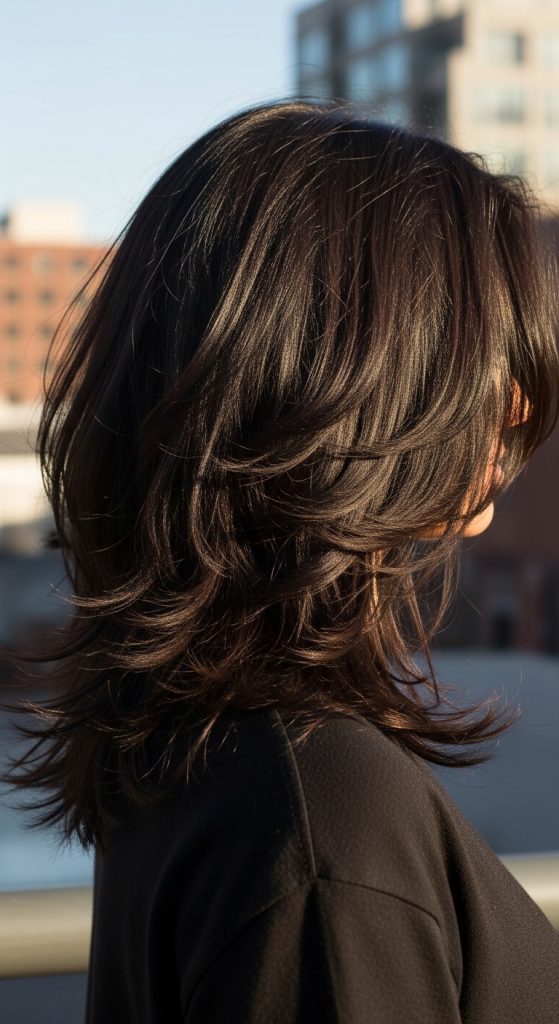
Idea 4: Feathered Layered Ends
How to Create
Feathered layered ends focus on creating soft, tapered finishes at the bottom of thick hair to reduce bulk and add elegance. This style is designed to make hair appear lighter and more flowing without changing overall length significantly. The feathering technique creates a soft gradient effect that enhances movement and reduces heaviness at the ends. It is particularly effective for long thick hair that tends to feel weighted down. The style aligns with classic yet modern design principles, offering a timeless aesthetic that remains relevant in Pinterest inspiration boards. Feathered ends also improve styling flexibility by allowing smoother curling and shaping. The overall effect is soft, airy, and visually balanced.
Step-by-Step Guide
Creating feathered ends begins with identifying the lower section of the hair and gradually tapering the ends using angled cutting techniques. Small sections are trimmed lightly to create a natural gradient. The focus is on reducing bulk rather than altering overall shape. Once cutting is complete, blow-drying techniques help emphasize the feathered flow. A round brush is often used to curve the ends outward or inward depending on preference. Minimal styling products are applied to maintain softness. Regular trimming ensures the feathered effect remains consistent. This approach is beginner friendly in concept but requires controlled execution for smooth results.

Idea 5: Medium Length Layered Bob for Thick Hair
How to Create
A medium length layered bob is a structured hairstyle designed to manage thick hair while maintaining a modern and polished appearance. This cut typically falls between chin and shoulder length, with layers added to reduce bulk and enhance shape definition. It creates a clean silhouette while allowing natural movement. The layering technique ensures that the hair does not appear overly heavy or flat. This style is widely featured in Pinterest ideas for its balance between sophistication and practicality. It works well in both professional and casual environments, offering versatility and ease of maintenance. The layered bob also enhances facial framing while maintaining a compact structure.
Step-by-Step Guide
To create this style, the hair is sectioned and cut to a uniform base length first. Layers are then added internally to reduce density and improve movement. The stylist carefully adjusts length variations to maintain symmetry. Blow-drying with a round brush helps shape the final look and enhance volume control. Minimal styling products are used to preserve natural texture. Regular maintenance trims keep the structure defined. This style is beginner friendly in daily styling and highly practical for thick hair management.
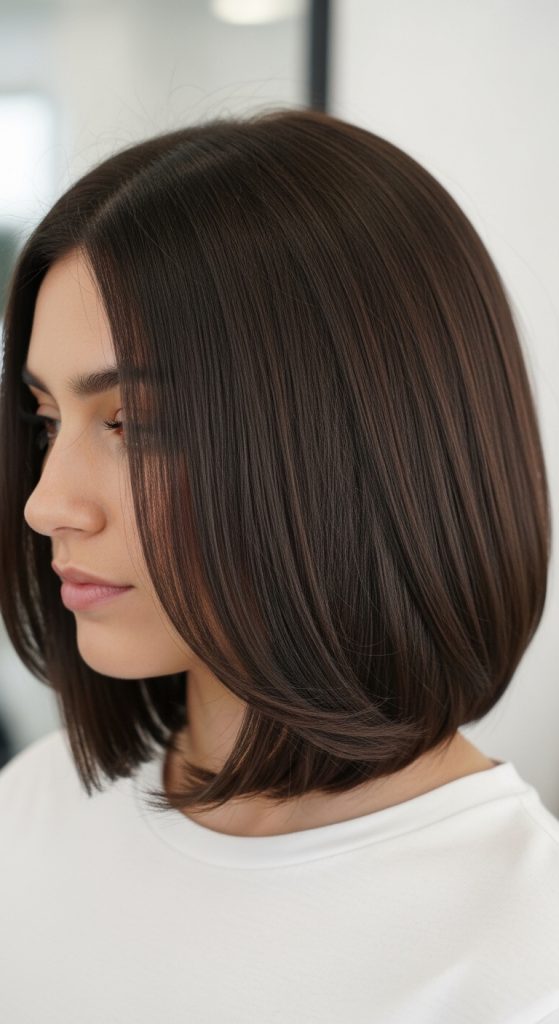
Idea 6: Long U-Shaped Layer Cut
How to Create
The long U-shaped layer cut creates a smooth curved silhouette that enhances natural hair flow while maintaining length and volume balance. This design softens thick hair by distributing weight evenly across a rounded shape. It is ideal for individuals who want structure without harsh angles. The U-shape adds elegance and movement, making it a popular choice in modern design inspiration. It works well with straight and wavy textures, providing versatility and natural flow. The style enhances overall harmony and creates a visually pleasing outline.
Step-by-Step Guide
To achieve this cut, hair is sectioned and shaped into a gradual U formation at the back. Layers are blended into this shape to maintain softness and consistency. Precision is important to ensure even curvature. Styling involves gentle blow-drying to emphasize the rounded shape. Maintenance includes occasional trimming to preserve structure. This method is beginner friendly in styling and effective for managing thick hair volume.
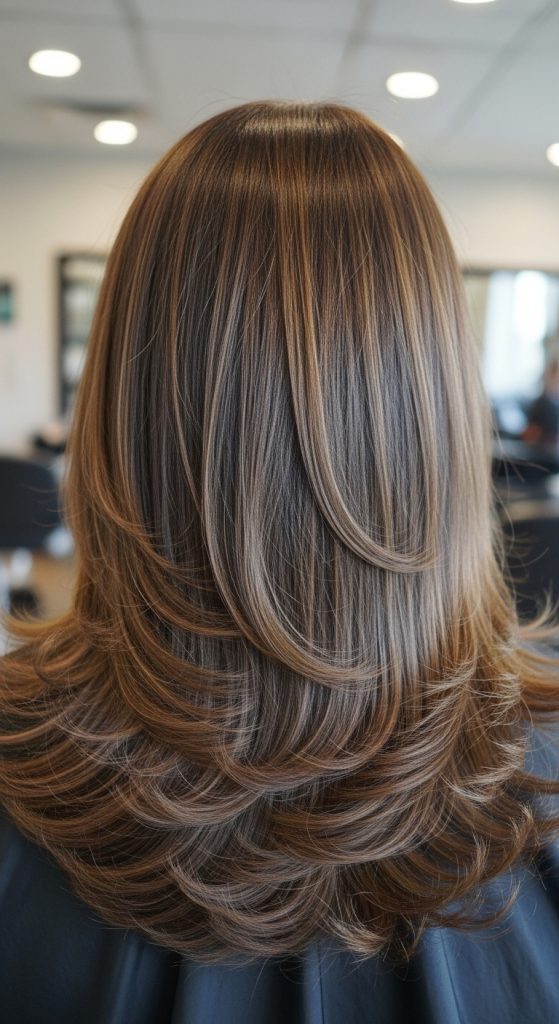
Idea 7: Curtain Bangs with Layered Hair
How to Create
Curtain bangs combined with layered hair create a soft framing effect that enhances facial features while blending into thick hair seamlessly. This style is designed to reduce heaviness at the front while maintaining overall volume. Curtain bangs are parted in the middle and gradually blend into longer layers. This creates a natural and balanced appearance. It is widely used in Pinterest inspiration for its soft and romantic aesthetic. The style suits various face shapes and hair textures.
Step-by-Step Guide
To create curtain bangs with layers, the front section is carefully sectioned and cut to form a center-parted fringe. These bangs are blended into longer layers on both sides. The rest of the hair is layered to maintain consistency. Styling involves soft blow-drying to shape the curtain effect. Maintenance requires regular trimming to maintain balance. This approach is beginner friendly in styling and highly adaptable.

Idea 8: Voluminous Step Layers
How to Create
Voluminous step layers are designed to create visible layered sections that add structure and controlled volume to thick hair. Each layer is distinct, creating a step-like effect that enhances dimension. This style works well for individuals who prefer structured volume rather than soft blending. It adds definition and movement while maintaining overall thickness. It is often featured in Pinterest ideas for its bold yet manageable aesthetic.
Step-by-Step Guide
Hair is sectioned into clear horizontal layers and cut at varying lengths to create visible steps. Each layer is carefully balanced to maintain symmetry. Styling involves blow-drying to enhance separation between layers. Lightweight products help maintain structure. Regular trimming ensures definition remains sharp. This method is practical and visually impactful for thick hair management.

Idea 9: Wavy Layered Texture Enhancement
How to Create
Wavy layered texture enhancement focuses on maximizing natural wave patterns through strategic layering. This style reduces bulk while emphasizing movement and softness. It is ideal for thick hair with natural wave structure. The layering supports wave formation and prevents heaviness. It is widely used in modern hair inspiration for its effortless aesthetic.
Step-by-Step Guide
Layers are cut to follow natural wave direction. Hair is styled using air drying or diffusing techniques. Lightweight products enhance wave definition. Maintenance includes trimming to preserve shape. This method is beginner friendly and enhances natural texture.

Idea 10: Minimalist Straight Layer Balance Cut
How to Create
Minimalist straight layer balance cut focuses on subtle layering for a clean, modern appearance. It reduces heaviness while maintaining a sleek silhouette. The design emphasizes simplicity and balance, making it suitable for minimalist style preferences. It is widely used in Pinterest ideas for its refined aesthetic.
Step-by-Step Guide
Hair is cut into even sections with minimal layering for soft adjustment. Styling involves straightening for smooth finish. Maintenance includes periodic trims. This method is simple, practical, and beginner friendly.

Common Beginner Mistakes and How to Avoid Them
A common mistake in layered hair styling is removing too much volume at once, which can disrupt balance. Uneven sectioning can also lead to asymmetry. Over-styling with heavy products reduces natural movement. To avoid these issues, controlled cutting and careful planning are essential. Maintaining consistency ensures better long-term results.
Practical Tips for Better Results
Successful layered hair results depend on proper sectioning, balanced cutting, and minimal product use. Understanding hair texture before styling improves outcomes. Regular maintenance helps preserve shape. Using lightweight styling methods enhances natural movement. Consistency in trimming ensures long-lasting structure.
Styling, Presentation, or Organization Ideas
Layered hair styling can be enhanced through soft waves, straight finishes, or natural air drying. Organizing hair products by function improves daily styling efficiency. Presentation depends on maintaining clean lines and balanced volume. Subtle styling choices help highlight layered structure without overwhelming the natural look.
Budget or Time Planning
Layered hair maintenance can be managed with minimal cost through regular trims and simple styling routines. Time investment is moderate, focusing mainly on washing, drying, and occasional shaping. Planning appointments or DIY maintenance ensures consistent results. Efficient care reduces styling time while maintaining structure.
Creative Expansion and Advanced Inspiration
Advanced layered hair ideas include combining multiple layering techniques, integrating color gradients, or enhancing texture through styling tools. Experimenting with hybrid cuts allows personalized results. Expanding into seasonal styling variations adds creative flexibility. These approaches elevate standard layered designs into more expressive and customized looks.





Post Comment