10 Tiny Home Bedroom Ideas
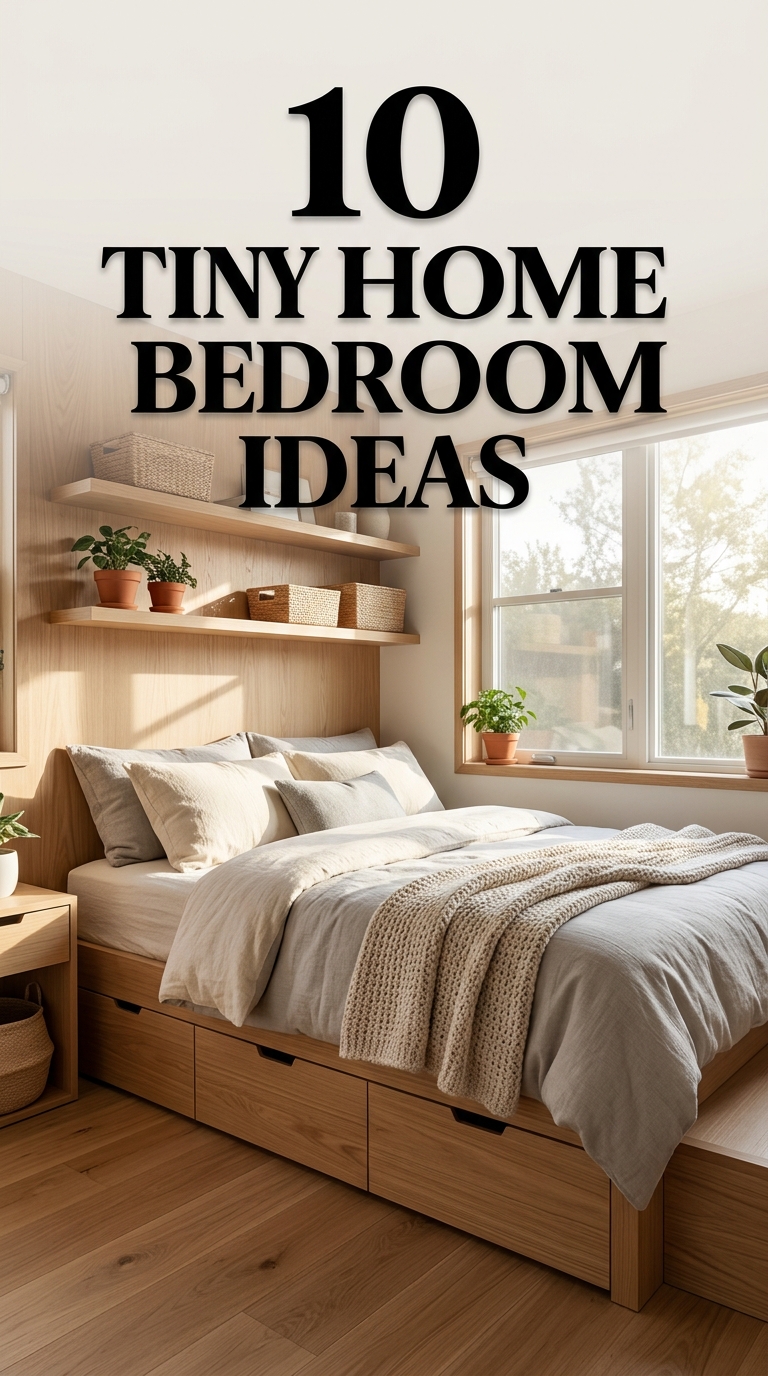

Designing a tiny home bedroom requires thoughtful planning to create a space that is comfortable, functional, and visually inviting without feeling overcrowded. Every piece of furniture, storage solution, and decorative element should contribute to both practicality and overall style. Pinterest ideas for tiny home bedrooms often highlight space-saving layouts, multifunctional furniture, soft color palettes, and clever organization techniques that maximize every available inch. Whether you are decorating a tiny house, a compact apartment, or a small guest room, a carefully designed bedroom can provide a relaxing retreat while maintaining efficient storage and easy movement. This guide explores ten beginner-friendly tiny home bedroom ideas that combine modern design, DIY inspiration, aesthetic home decor, and smart planning to help transform even the smallest bedroom into a welcoming and organized space.
Why Tiny Home Bedroom Ideas Are Trending
Tiny home bedroom designs remain among the most popular Pinterest inspiration because they demonstrate how limited square footage can still feel spacious and stylish. As compact living becomes more common, homeowners look for creative ideas that improve storage, comfort, and organization without requiring major renovations. Many of these designs rely on minimalist style, multifunctional furniture, and neutral color palettes that make small rooms appear brighter and more open. DIY decorating projects also make these ideas accessible to beginners who want affordable upgrades. Pinterest showcases countless examples of well-planned bedrooms where practical storage blends seamlessly with attractive decoration. The combination of functionality and visual appeal allows tiny bedrooms to feel calm, organized, and comfortable while supporting everyday living.
Materials and Preparation
Before redesigning a tiny bedroom, begin by measuring the room carefully and identifying available wall space, corners, and hidden storage opportunities. Gather essential materials such as a measuring tape, storage baskets, floating shelves, under-bed containers, wall hooks, compact lighting, organizers, and simple decorating accessories. Select a consistent color palette before purchasing furniture to maintain visual harmony throughout the room. Plan furniture placement on paper to preserve clear walking paths and avoid overcrowding. Declutter unnecessary belongings before introducing new storage solutions, ensuring every item has a designated location. If possible, choose furniture that serves multiple purposes, such as beds with built-in drawers or benches with hidden compartments. Careful preparation creates a practical foundation for a balanced and efficient bedroom layout.
Idea 1: Platform Bed with Hidden Storage
How to Create
A platform bed with integrated storage is one of the most effective ways to maximize space in a tiny bedroom. Choose a bed frame that includes pull-out drawers or lift-up storage beneath the mattress. Use these compartments to organize seasonal clothing, bedding, shoes, or rarely used items, reducing the need for additional furniture. Keep frequently used belongings in the front drawers for easy access while storing long-term items farther back. Pair the bed with simple bedside tables or floating shelves instead of bulky nightstands to preserve floor space. Choose neutral bedding and coordinated storage containers to create a tidy appearance. Soft lighting, textured blankets, and minimal decorative accents complete the room without making it feel crowded. This beginner-friendly solution combines organization with modern design while maintaining everyday comfort.
Idea 2: Floating Shelves Above the Bed
Step-by-Step Guide
Floating shelves provide valuable vertical storage without occupying floor space. Install sturdy shelves above the headboard or along an adjacent wall to display books, framed artwork, decorative plants, or storage baskets. Arrange items with generous spacing to prevent the shelves from appearing cluttered. Use matching containers for small accessories to maintain visual consistency throughout the room. Keep heavier items on lower shelves for safety while reserving upper levels for lightweight decorative objects. Select shelf finishes that coordinate with existing furniture to create a cohesive aesthetic. Floating shelves help free bedside surfaces while introducing practical storage and attractive home decor. This easy project is suitable for beginners and works well in both modern and traditional tiny bedrooms.

Idea 3: Cozy Reading Corner
Setup Method
Transform an unused bedroom corner into a compact reading nook by placing a comfortable chair or floor cushion beside a window or bookshelf. Add a small side table for books and a warm reading lamp that provides focused lighting without taking up unnecessary space. Incorporate a soft throw blanket and one decorative cushion to create a welcoming atmosphere while avoiding excessive accessories. A floating shelf above the chair offers additional storage for books or decorative objects. Keep the surrounding area uncluttered to preserve openness within the bedroom. This thoughtfully designed corner extends the room’s functionality while creating a relaxing retreat suitable for reading, journaling, or quiet reflection.
Idea 4: Neutral Scandinavian Bedroom
How to Make
A Scandinavian-inspired bedroom uses soft white walls, light wood furniture, and natural textures to create the illusion of a larger space. Select simple furniture with clean lines and avoid oversized decorative pieces that reduce visual openness. Linen bedding, woven baskets, ceramic accessories, and subtle greenery introduce warmth without overwhelming the minimalist style. Natural light plays an important role, so avoid heavy curtains that block windows. Organize clothing inside concealed storage to preserve the clean appearance. A few framed prints in neutral colors provide visual interest while maintaining balance throughout the room. This practical design demonstrates how thoughtful organization and restrained decoration can make a tiny bedroom feel calm and spacious.
Idea 5: Loft Sleeping Area
Execution Process
If ceiling height allows, a loft bed creates valuable living space beneath the sleeping area. Position a compact desk, wardrobe, seating area, or storage cabinets underneath to maximize functionality. Install sturdy stairs or a secure ladder designed for comfortable daily use. Use soft lighting around the loft to improve visibility while maintaining a cozy atmosphere. Keep the upper sleeping area uncluttered by limiting decorative items and using integrated storage for personal belongings. Neutral colors unify both levels and prevent the room from feeling visually divided. Loft bedrooms are particularly effective in tiny homes where every square foot must perform multiple functions.

Idea 6: Built-In Wall Wardrobe
How to Create
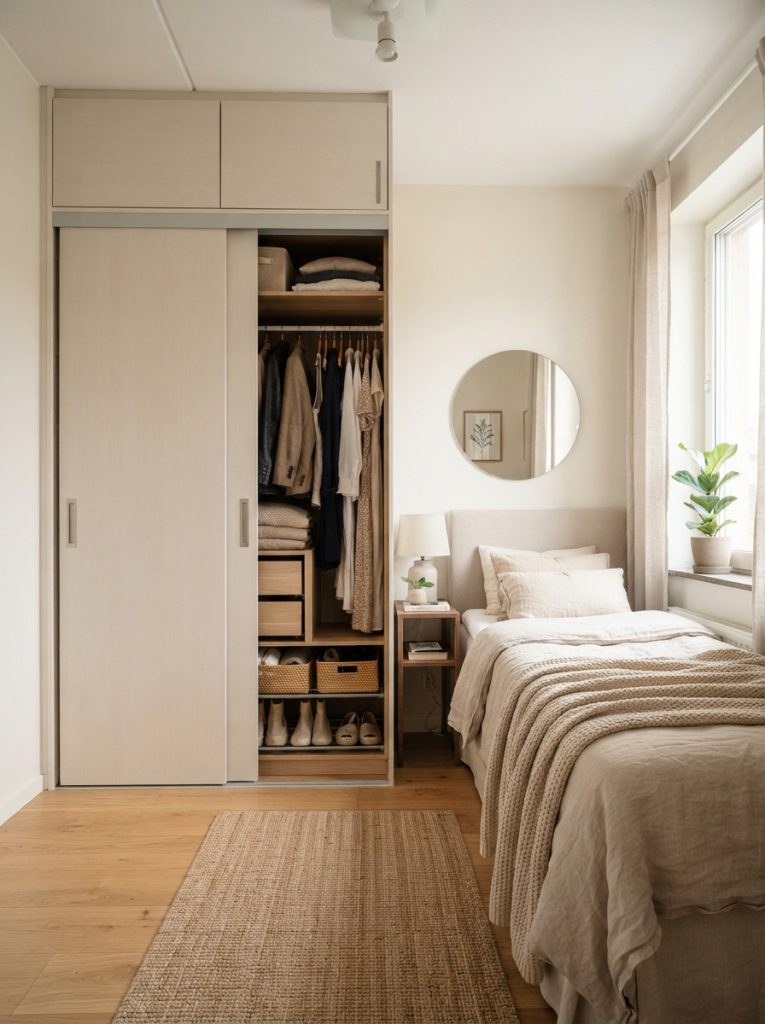
Replace freestanding wardrobes with built-in wall storage that extends vertically toward the ceiling. Incorporate shelves, hanging rails, drawers, and concealed compartments to organize clothing efficiently while reducing floor clutter. Sliding doors are ideal because they eliminate the clearance required for swinging doors in compact rooms. Interior organizers help separate seasonal clothing, accessories, and footwear for easier daily use. Match wardrobe finishes to wall colors for a seamless appearance that makes the room feel larger. This integrated storage solution provides significant organization while preserving valuable living space.

Idea 7: Multifunctional Storage Bench
Step-by-Step Guide
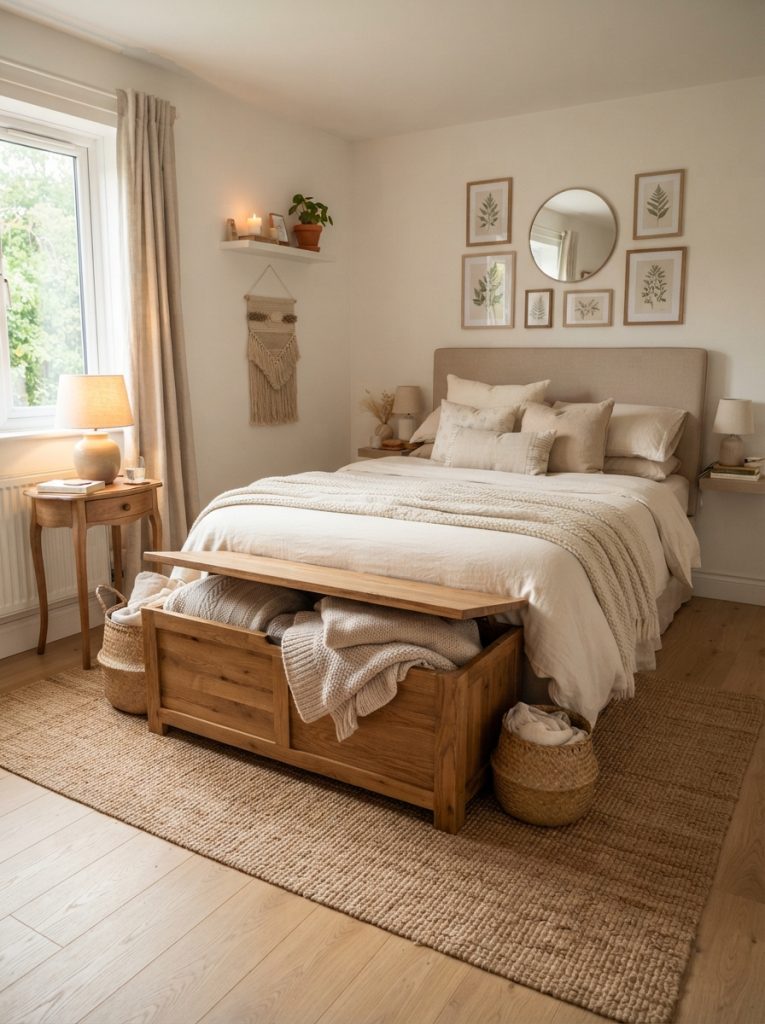
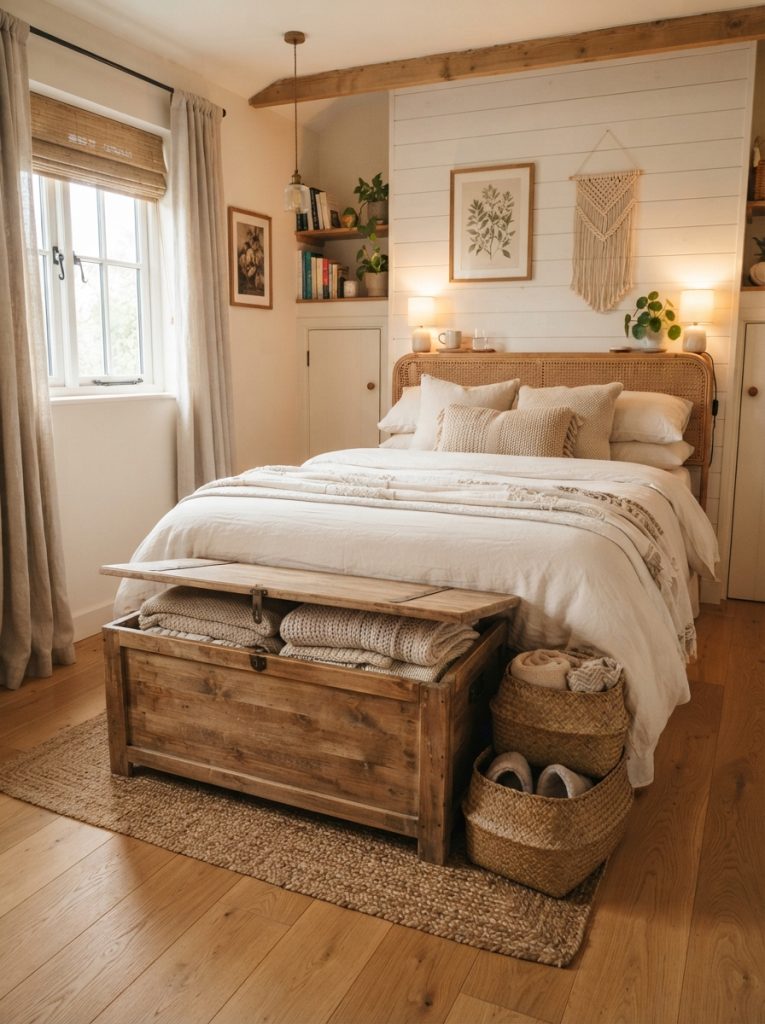
Position a storage bench at the foot of the bed to combine seating with concealed organization. Store blankets, pillows, shoes, or seasonal clothing inside the compartment while using the top surface as additional seating or decorative display space. Add a soft cushion that coordinates with the bedding for comfort and visual consistency. Organize stored belongings using labeled containers to simplify access and maintain order. A storage bench reduces the need for additional cabinets while introducing practical functionality into the bedroom. This easy project supports organization without increasing clutter.
Idea 8: Minimalist Black and White Design
Setup Method
Create a timeless bedroom using a restrained black-and-white color palette softened by natural wood and woven textures. White walls reflect natural light while black furniture accents provide visual definition. Incorporate linen bedding, ceramic decorations, and simple framed artwork to reinforce the minimalist aesthetic. Keep decorative accessories limited so open surfaces remain uncluttered. Use hidden storage beneath the bed or inside built-in cabinets to maintain organization. The balanced contrast between light and dark colors creates a sophisticated appearance while preserving the calm atmosphere associated with compact bedrooms.

Idea 9: Nature-Inspired Bedroom
How to Make
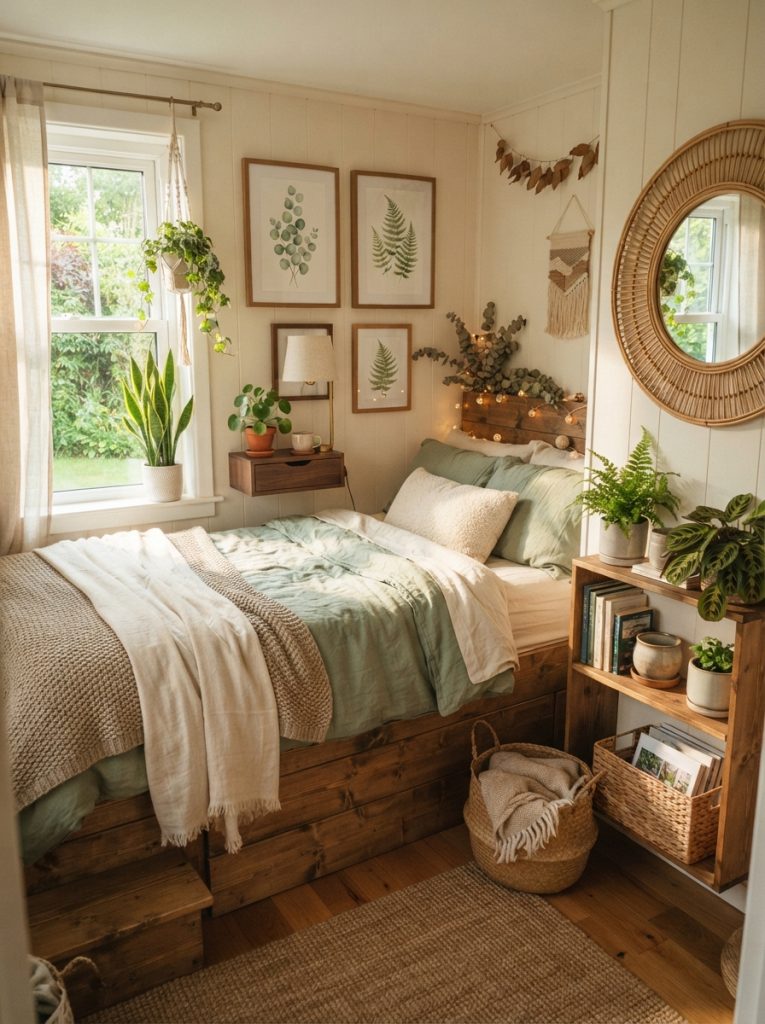
Bring natural elements into the bedroom through earthy colors, indoor plants, wooden furniture, and woven textiles. Soft green accents, botanical artwork, and linen fabrics reinforce the calming atmosphere without overwhelming the room. Position plants near windows where they receive sufficient natural light while avoiding excessive decorative arrangements. Wooden shelves and storage baskets contribute warmth while supporting practical organization. Keep furniture simple and proportionate to the room’s dimensions. This design creates a peaceful environment inspired by nature while maintaining efficient use of limited space.
Idea 10: Built-In Window Seat Storage
How to Create
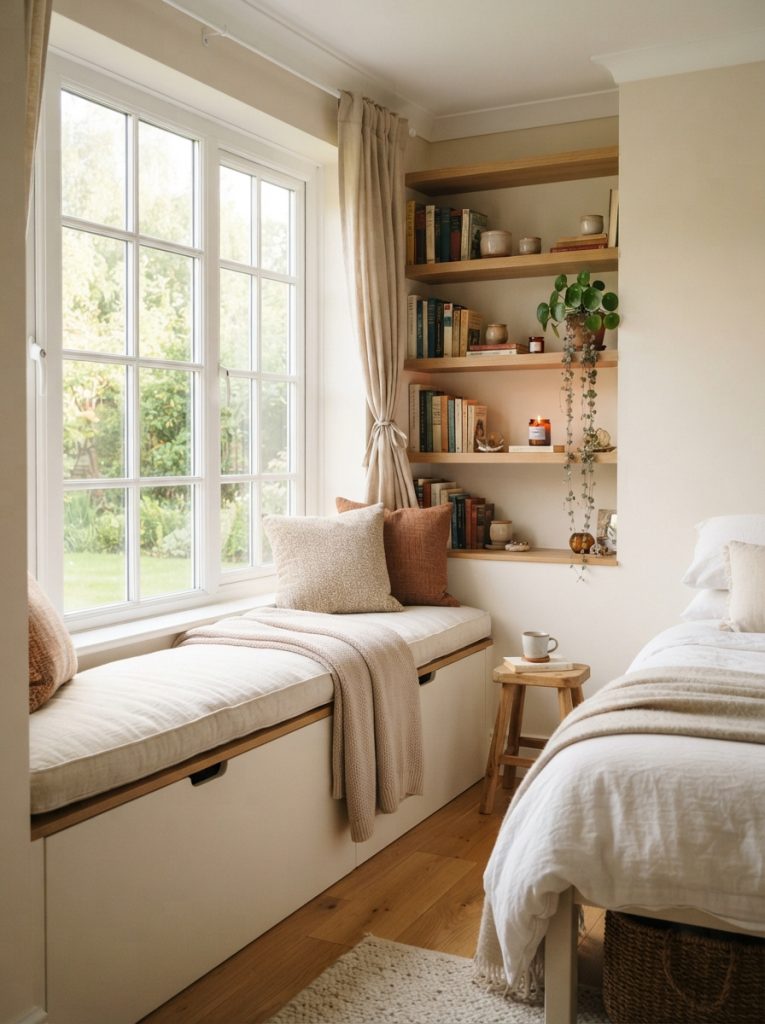
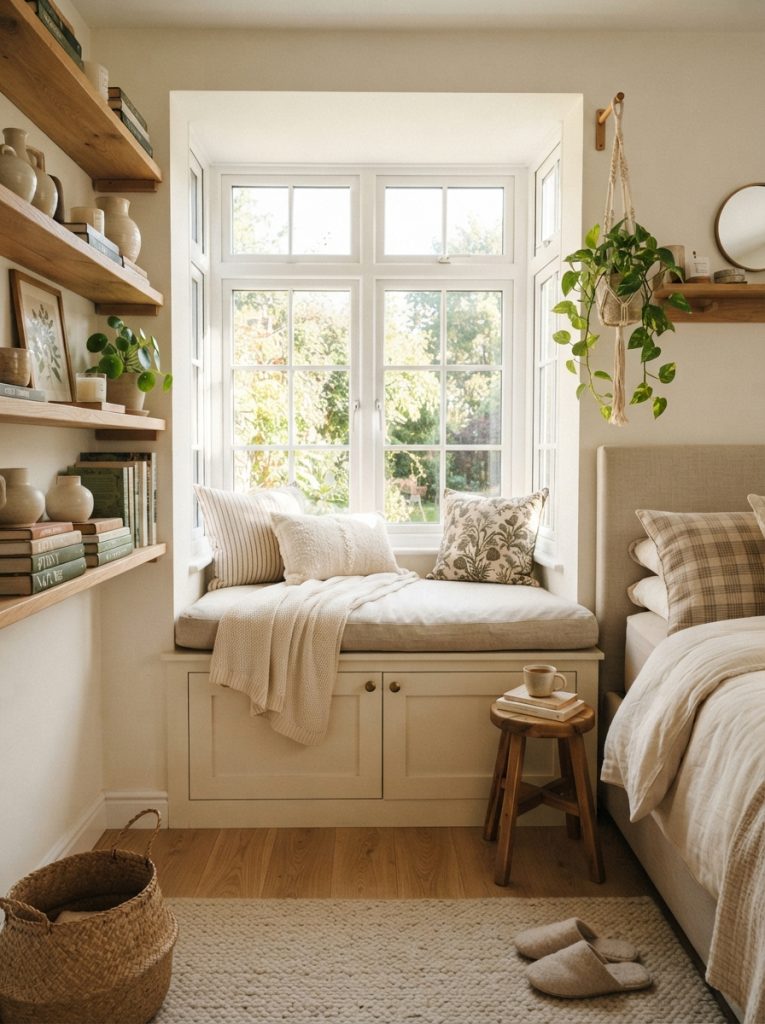
A built-in window seat provides comfortable seating while concealing valuable storage beneath the cushions. Use the compartment to store bedding, books, clothing, or seasonal decorations in labeled containers. Add soft cushions and textured pillows to create an inviting reading area that complements the bedroom’s overall style. Floating shelves beside the window offer additional display space without occupying valuable floor area. Light curtains allow natural sunlight to brighten the room while preserving privacy. This multifunctional feature combines organization, comfort, and attractive home decor within a compact footprint.
Common Beginner Mistakes and How to Avoid Them
Many small bedrooms become overcrowded because oversized furniture is selected without considering room dimensions. Always measure carefully before purchasing beds, wardrobes, or seating. Another common mistake is ignoring vertical storage opportunities that could reduce floor clutter. Decorative accessories should complement the room rather than dominate it, so limit displays to a few meaningful pieces. Inconsistent color palettes also make compact bedrooms appear visually busy. Choose coordinated finishes and repeat them throughout the space. Finally, avoid leaving storage unorganized after installation. Baskets, drawer dividers, and labeled containers help maintain an orderly bedroom over time.
Practical Tips for Better Results
Prioritize multifunctional furniture whenever possible to maximize efficiency within limited space. Use floating shelves, wall hooks, and under-bed storage before adding extra cabinets. Select light, neutral colors that reflect natural light and make the bedroom feel more spacious. Organize clothing seasonally to reduce unnecessary storage demands. Rotate decorative accessories occasionally rather than displaying everything at once. Keep surfaces mostly clear to preserve openness while allowing carefully selected home decor to become focal points. Consistent organization habits help maintain the room’s clean appearance long after the project is completed.
Styling, Presentation, and Organization Ideas
Create a cohesive bedroom by coordinating furniture finishes, textiles, storage containers, and decorative accessories. Layer bedding using complementary colors and varied textures to add warmth without cluttering the space. Display artwork sparingly and choose simple frames that match the room’s design style. Woven baskets, ceramic vases, and indoor plants introduce natural texture while supporting organization. Soft lighting from bedside lamps or wall-mounted fixtures enhances comfort during the evening. Maintaining balanced spacing between furniture and decorative elements creates a polished appearance that reflects thoughtful planning.
Budget and Time Planning
Refreshing a tiny bedroom does not require a complete renovation. Begin by decluttering and reorganizing existing furniture before investing in additional storage solutions. Introduce shelves, baskets, and decorative accessories gradually as needed. Repurpose furniture whenever possible to reduce costs while maintaining functionality. Focus the budget on practical upgrades such as storage beds, floating shelves, or improved lighting before purchasing decorative accents. Completing one section of the room at a time simplifies planning and allows thoughtful design decisions throughout the project.
Creative Expansion and Advanced Inspiration
Once the bedroom layout is established, expand the design through coordinated wall art, custom shelving, layered lighting, and handcrafted decorative details. Experiment with textured fabrics, natural materials, and subtle accent colors while maintaining the room’s cohesive palette. Add hidden storage compartments inside benches, headboards, or window seats to improve functionality without increasing visible furniture. Seasonal bedding and decorative accessories can refresh the room while preserving the original design. These advanced ideas build upon the initial layout, creating a tiny bedroom that remains practical, inviting, and visually balanced while reflecting timeless Pinterest-inspired home decor.





Post Comment