10 Tiny Home Storage Ideas

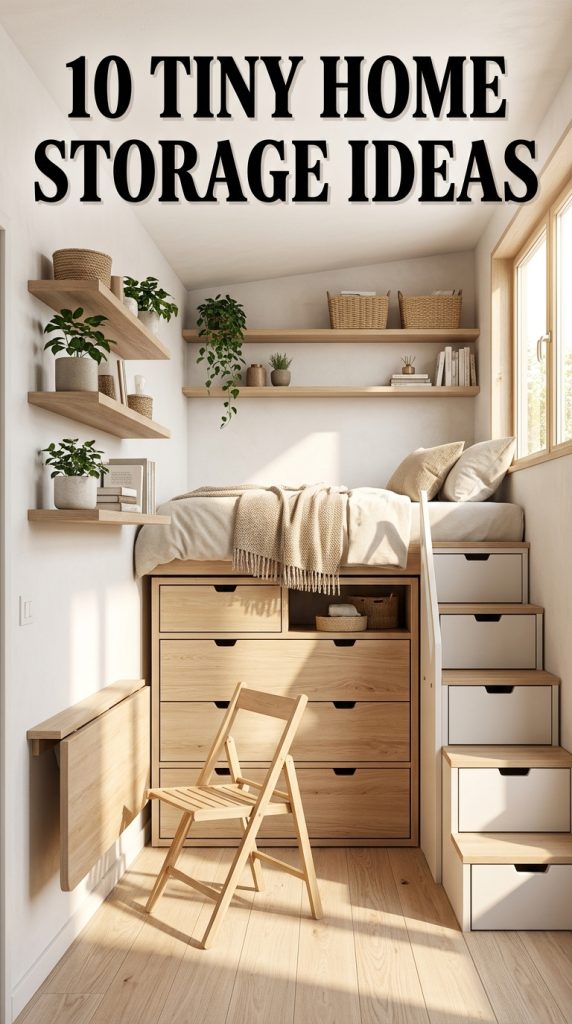
Living in a tiny home requires every square foot to serve a purpose, making smart storage one of the most important elements of a comfortable and organized space. Well-planned storage solutions reduce clutter, improve accessibility, and help small interiors feel more open without sacrificing functionality. Many Pinterest ideas focus on maximizing vertical space, hidden compartments, multifunctional furniture, and creative organization techniques that work in compact homes of all styles. Whether you are furnishing a tiny house, a studio apartment, or a small cabin, practical storage planning can transform limited space into an efficient and inviting environment. This guide explores ten beginner-friendly storage ideas that combine home decor with everyday functionality. Each concept includes practical setup methods, simple DIY inspiration, and realistic organization techniques designed to help you make the most of every available inch.
Why Tiny Home Storage Ideas Are Trending
Tiny home storage ideas continue to rank among the most popular Pinterest inspiration because they solve real everyday challenges while encouraging creative design. As smaller living spaces become more common, homeowners and renters seek organization methods that increase storage without making rooms feel crowded. These ideas emphasize multifunctional furniture, vertical organization, and budget-friendly DIY projects that are accessible even for beginners. Modern design trends also favor clean, uncluttered interiors where every item has a designated place. This practical approach supports easier cleaning, improved efficiency, and better use of available space. Many trending ideas combine minimalist style with warm, natural materials, creating interiors that are both functional and aesthetically pleasing. Because most storage upgrades can be completed gradually, they remain suitable for different budgets and experience levels.
Materials and Preparation
Before beginning any storage project, evaluate your home’s layout and identify areas where space is underused. Gather a measuring tape, notebook, storage baskets, stackable containers, wall anchors, shelving brackets, hooks, labels, screws, and basic hand tools if installation is required. Start by sorting belongings into categories such as daily essentials, seasonal items, and rarely used possessions. Decluttering first allows storage solutions to work more effectively. Measure walls, cabinets, and furniture before purchasing new materials to ensure a proper fit. Sketch a simple floor plan showing available vertical and hidden storage areas. Prioritize solutions that improve accessibility while maintaining comfortable movement throughout the home. Proper planning prevents overcrowding and ensures every storage addition contributes to a well-organized, efficient living environment.
Idea 1: Floor-to-Ceiling Open Shelving
How to Create
Install tall shelving units that extend from the floor to the ceiling to maximize unused vertical space. Position frequently used items on middle shelves for easy access while reserving upper shelves for seasonal decorations, spare bedding, or infrequently used storage containers. Use matching woven baskets or fabric bins to organize smaller belongings and maintain a cohesive appearance. Arrange books, decorative pieces, and practical storage in alternating sections to balance functionality with home decor. Leave some open space between groups of objects to prevent the shelves from appearing crowded. Secure tall shelving safely to the wall for stability. Neutral-colored storage containers help reduce visual clutter while making the room feel larger. This beginner-friendly organization method creates substantial storage capacity without increasing the home’s footprint, making it ideal for tiny houses and compact apartments.

Idea 2: Under-Bed Storage Drawers
Step-by-Step Guide
The area beneath a bed often provides valuable hidden storage that remains easily accessible. Choose rolling drawers, low-profile storage bins, or custom-built wooden compartments that fit neatly underneath the bed frame. Store seasonal clothing, spare blankets, shoes, or travel items inside clearly labeled containers to simplify organization. Vacuum-sealed bags are useful for bulky fabrics that require minimal access throughout the year. If building a DIY platform bed, incorporate pull-out drawers during construction to create integrated storage without adding furniture elsewhere. Select containers with lids to protect belongings from dust while maintaining a tidy appearance. This practical solution frees valuable closet space and helps maintain an organized bedroom without affecting the room’s overall layout.

Idea 3: Multi-Functional Storage Bench
Setup Method
A storage bench combines seating with concealed organization, making it an excellent addition to entryways, dining areas, or living rooms. Select a bench with a hinged top or built-in compartments to store blankets, board games, shoes, or household supplies. Place cushions on top to improve comfort while coordinating fabrics with the room’s existing decor. Organize stored items using small containers inside the bench to prevent clutter from accumulating over time. Position the bench beneath a window or along an unused wall to maximize available floor space. This multifunctional furniture piece reduces the need for additional cabinets while providing practical everyday seating. The combination of storage and functionality makes it one of the most effective budget ideas for compact homes.
Idea 4: Wall-Mounted Floating Cabinets
How to Make
Floating cabinets create storage while preserving valuable floor space, helping tiny rooms feel larger and less crowded. Install cabinets above desks, sofas, or entryway furniture where unused wall space already exists. Store office supplies, kitchen items, electronics, or decorative accessories behind closed doors to maintain a clean appearance. Choose cabinet finishes that coordinate with the room’s color palette for a seamless look. Keep heavier items on lower shelves within the cabinet to improve stability and accessibility. Add subtle lighting beneath the cabinets if additional task illumination is needed. Floating storage contributes to both organization and modern design by keeping everyday essentials available without occupying walking areas.
Idea 5: Pegboard Organization Wall
Execution Process
Transform an empty wall into a customizable storage system using a pegboard. Install the board securely and arrange hooks, baskets, shelves, and holders according to your needs. Kitchen utensils, craft supplies, office accessories, gardening tools, or cleaning equipment can all be stored neatly while remaining easy to access. Rearrange hooks whenever storage needs change without drilling additional holes into the wall. Paint the pegboard to match your home’s color scheme or leave it natural for a simple workshop-inspired appearance. Label baskets if multiple family members use the storage area. This flexible DIY project adapts easily to changing lifestyles while encouraging efficient organization in compact spaces.

Idea 6: Staircase Storage Compartments
How to Create
Tiny homes with lofts often include staircases that can serve as valuable storage areas. Replace traditional stair risers with built-in drawers, cabinets, or open cubbies that accommodate shoes, books, tools, or pantry items. Label compartments according to their contents to simplify retrieval and maintain organization. Ensure drawers slide smoothly without interfering with safe staircase use. If building a staircase from scratch, plan storage dimensions during construction to maximize capacity. Matching drawer fronts create a cohesive appearance while concealing stored belongings. This integrated storage solution transforms otherwise unused structural space into practical organization without increasing the home’s footprint.

Idea 7: Ceiling-Hung Kitchen Storage
Step-by-Step Guide
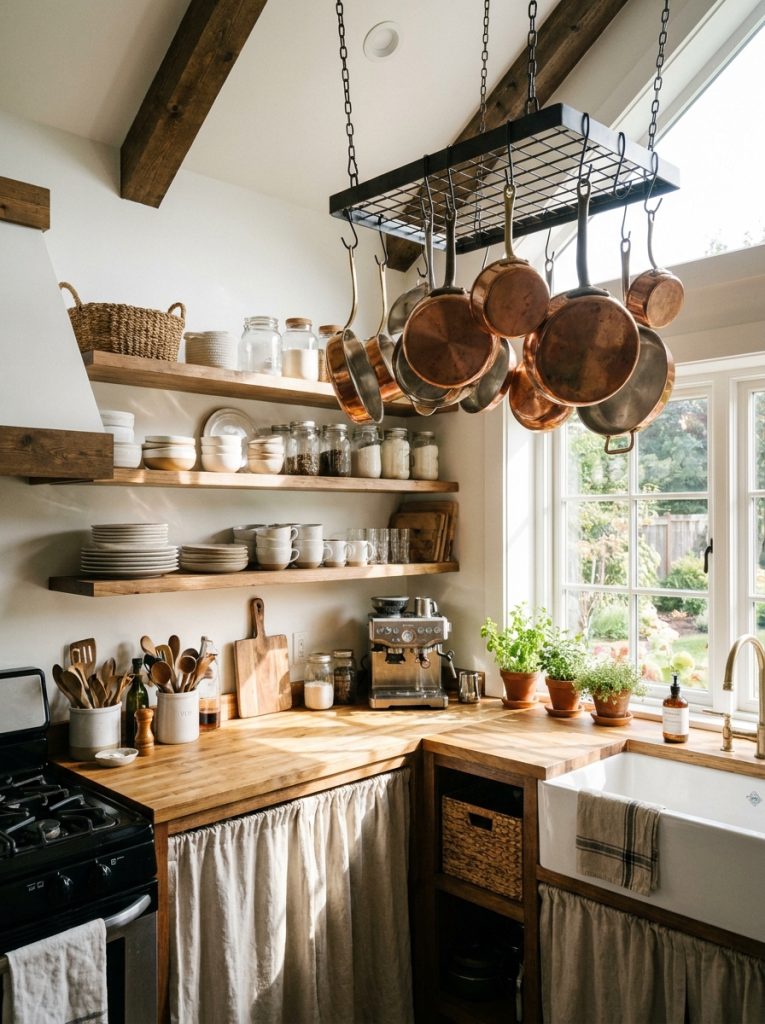
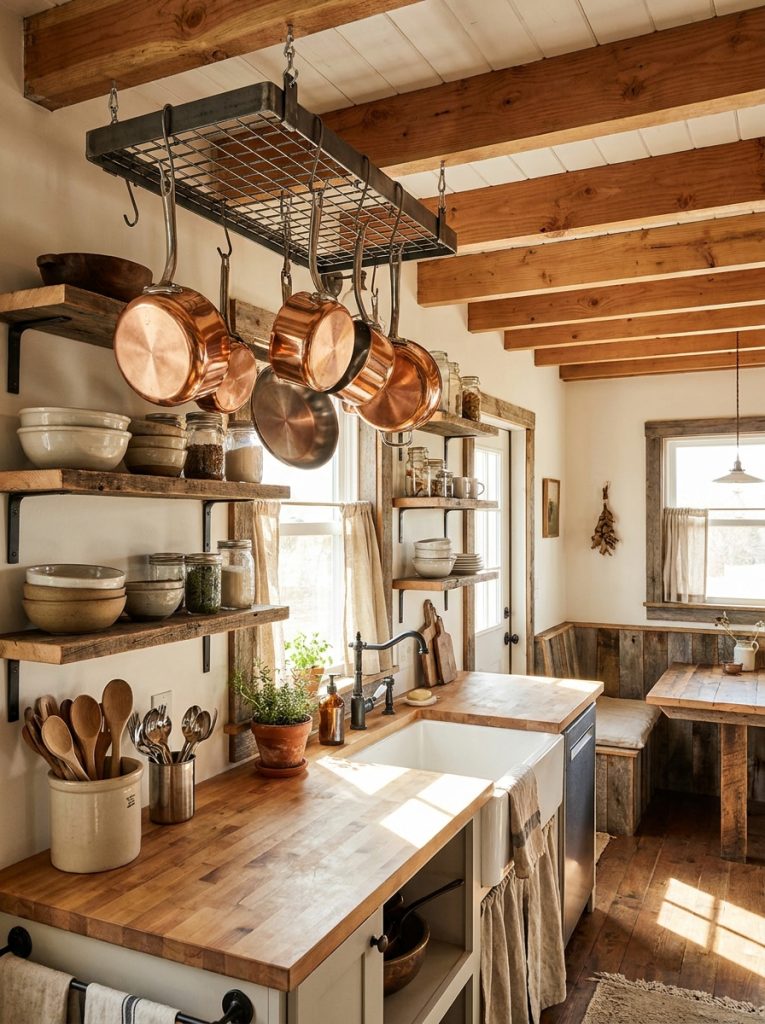
Take advantage of unused ceiling space by installing hanging racks above kitchen islands or counters. Store pots, pans, cooking utensils, or drying herbs on sturdy ceiling-mounted systems that keep essentials within reach while freeing cabinet space. Ensure hardware is securely anchored to support the intended weight. Arrange cookware by size for easy access and visual balance. Decorative baskets suspended from the rack can hold lightweight kitchen linens or frequently used ingredients. Choose finishes that complement nearby cabinetry and lighting fixtures. This vertical storage technique increases efficiency in compact kitchens while adding visual interest without reducing workspace.

Idea 8: Fold-Down Desk with Storage
Setup Method
A fold-down desk provides a dedicated workspace that disappears when not in use. Install a wall-mounted desk featuring integrated shelves or hidden compartments for notebooks, office supplies, and electronic accessories. When folded closed, the desk occupies minimal space while maintaining a tidy appearance. Organize supplies inside labeled containers to simplify daily use. Install the desk at a comfortable working height and provide nearby task lighting if necessary. Decorative artwork above the folded desk helps it blend naturally into the room’s design. This multifunctional solution is ideal for remote work, studying, or creative projects in small living spaces.
Idea 9: Over-the-Door Storage System
How to Make
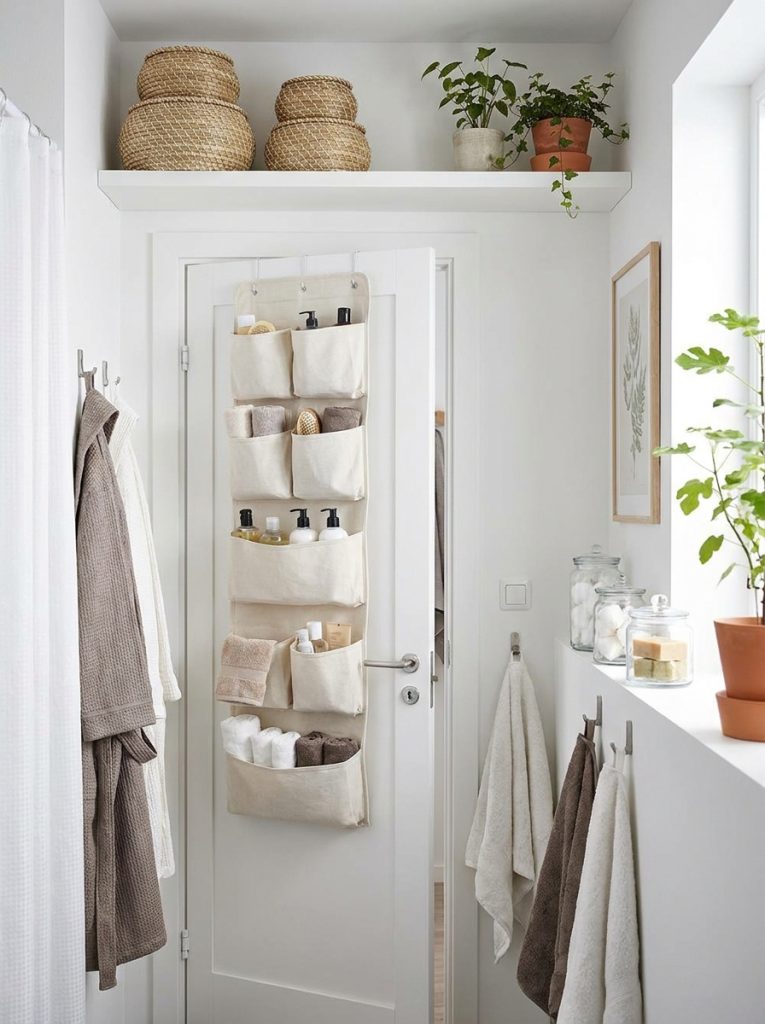
Doors provide overlooked storage opportunities that require minimal installation. Use over-the-door organizers with multiple pockets, hooks, or shelves to store cleaning supplies, shoes, toiletries, pantry goods, or accessories. Choose slim organizers that allow the door to close properly without damaging the frame. Sort items by category to improve accessibility and reduce searching time. Neutral fabric or clear pocket organizers maintain an organized appearance while allowing contents to remain visible. This simple organization technique increases storage capacity without permanent modifications, making it suitable for renters as well as homeowners.
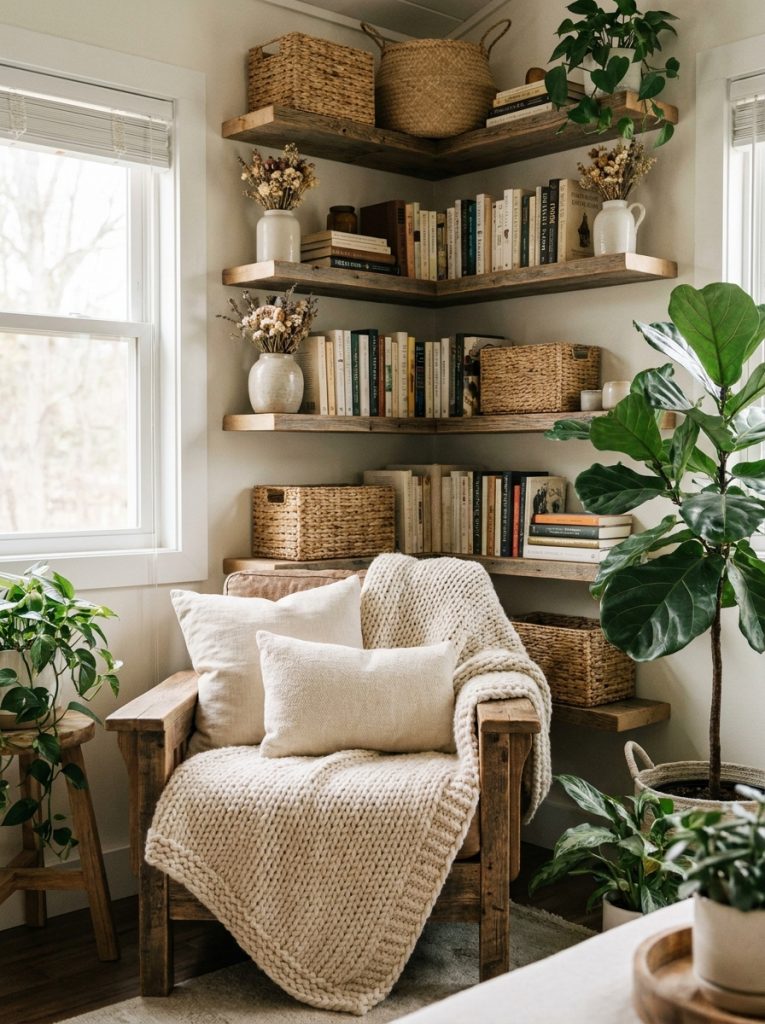
Idea 10: Built-In Corner Shelving
How to Create
Corners often remain unused despite offering valuable storage potential. Install floating corner shelves or custom-built units that fit precisely into available angles. Display decorative objects alongside practical storage baskets to balance aesthetics with functionality. Reserve lower shelves for frequently used items while placing decorative accessories on upper levels. Match shelf materials to nearby furniture for visual consistency throughout the room. Keep arrangements uncluttered by limiting decorative accents and using coordinated storage containers. Built-in corner shelving transforms neglected areas into useful storage while preserving open floor space and supporting an organized, inviting interior.

Common Beginner Mistakes and How to Avoid Them
One of the most common mistakes is purchasing storage containers before measuring available space. Always measure carefully to ensure each solution fits comfortably within the room. Another frequent issue involves storing too many rarely used belongings instead of decluttering first. Effective organization begins by removing unnecessary items before adding new storage. Avoid overcrowding shelves or cabinets, as excessive storage can make compact rooms appear smaller. Select multifunctional furniture whenever possible to maximize efficiency. Label containers clearly so items remain easy to locate. Finally, maintain consistent organization habits by returning belongings to their designated places after use, preventing clutter from gradually returning.
Practical Tips for Better Results
Prioritize vertical storage before expanding into additional furniture. Wall-mounted shelves, hooks, and cabinets preserve valuable floor space while increasing storage capacity. Choose stackable containers to maximize cabinet interiors and use clear bins when visibility improves accessibility. Keep everyday essentials within easy reach while storing seasonal items in higher or concealed locations. Maintain consistent labeling throughout the home to simplify organization. Rotate stored belongings periodically to remove unused items and preserve available space. Combining practical planning with thoughtful placement creates a more functional tiny home without sacrificing comfort or style.
Styling, Presentation, and Organization Ideas
Storage should complement the overall home decor rather than appear purely functional. Select baskets, containers, and shelving finishes that coordinate with the room’s color palette and furniture materials. Mix open and closed storage to display attractive decorative objects while concealing everyday necessities. Arrange decorative items in small groups with intentional spacing to prevent visual clutter. Fold textiles neatly and use matching storage boxes to maintain consistency across different areas of the home. Incorporating natural wood, woven fibers, ceramic accessories, and soft fabrics helps create a warm aesthetic while preserving practical organization.
Budget and Time Planning
Many tiny home storage improvements can be completed gradually using affordable materials and simple DIY methods. Begin by reorganizing existing furniture before purchasing additional storage products. Repurpose wooden crates, baskets, or unused containers to reduce project costs. Install shelves and hooks one area at a time, focusing first on rooms with the greatest storage challenges. Allocate the budget toward durable materials that withstand daily use rather than decorative accessories alone. Completing projects over several weekends allows careful planning while spreading expenses across manageable stages.
Creative Expansion and Advanced Inspiration
Once the primary storage system is established, explore advanced organization techniques that further improve efficiency. Incorporate hidden compartments into furniture, install sliding pantry systems, or build custom cabinetry that follows the home’s unique dimensions. Coordinate storage finishes throughout the interior to create a cohesive design language. Combine lighting with shelving to improve visibility while highlighting decorative displays. Seasonal storage rotation keeps frequently used items accessible without overcrowding cabinets. By continuously refining organization strategies, even the smallest home can remain functional, welcoming, and visually balanced while reflecting thoughtful planning and timeless design principles.





Post Comment