10 Braided Hairstyles Kids Ideas
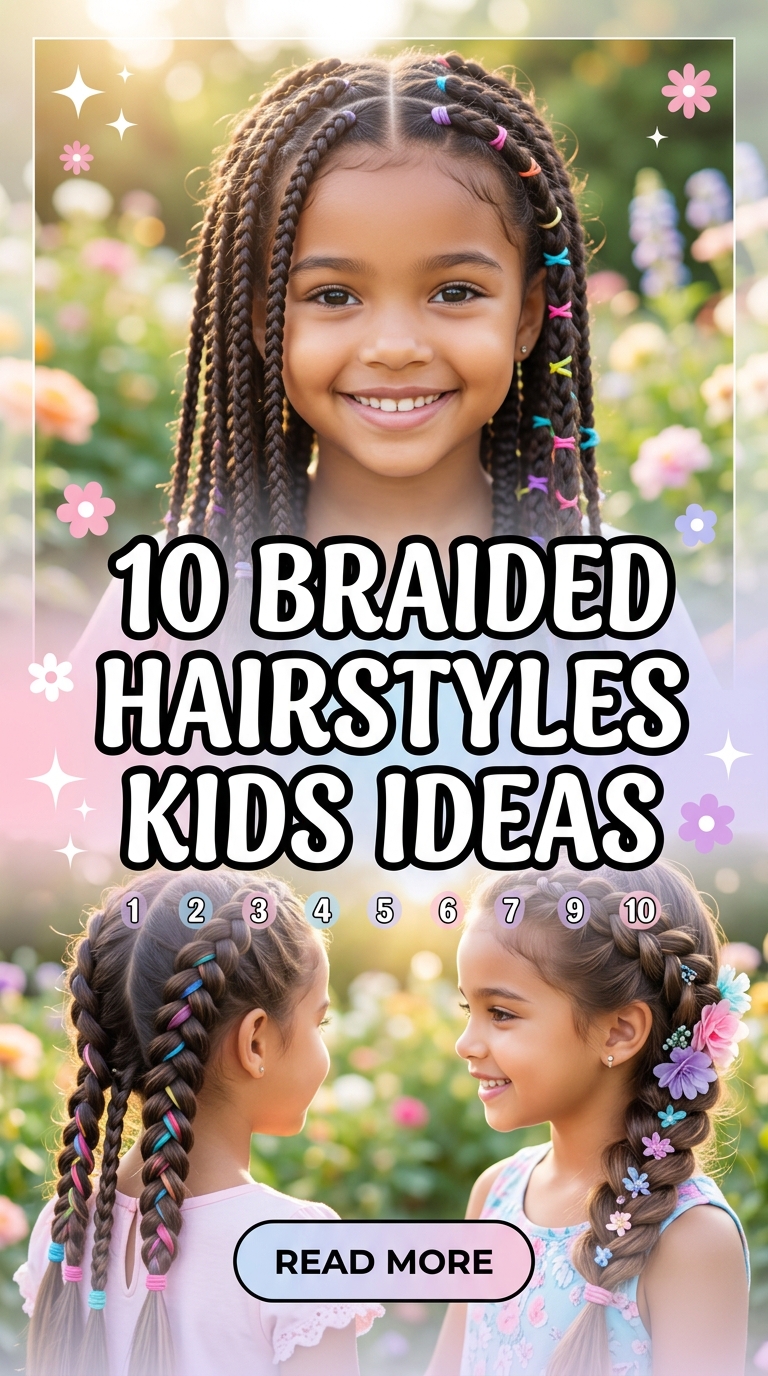
Braided hairstyles for kids combine style, comfort, and practicality, making them a popular choice for everyday routines, school days, family gatherings, holidays, and special occasions. Pinterest ideas frequently feature children’s braids because they help keep hair neat while allowing endless creative combinations of patterns, accessories, and braid styles. From simple three-strand braids to more detailed woven designs, braided hairstyles can suit different hair lengths, textures, and activity levels. This guide presents ten beginner friendly braided hairstyle ideas that are attractive, practical, and easy to recreate with proper preparation. You will also learn how to organize your styling tools, prepare the hair correctly, and maintain comfortable hairstyles throughout the day. These creative ideas provide inspiration for achieving polished, age-appropriate braided looks that combine function with beautiful presentation while supporting healthy daily hair care habits.
Why Braided Hairstyles for Kids Are Trending
Braided hairstyles continue to remain among the most saved Pinterest ideas because they combine organization, durability, and creative styling. Parents appreciate braids because they help reduce tangles while keeping children’s hair secure during school, sports, outdoor play, and family events. Many braid styles also remain neat for longer periods than loose hairstyles, reducing daily styling time. Their versatility allows them to complement casual clothing, uniforms, party dresses, and seasonal outfits equally well. Beginner friendly tutorials have made many braid techniques easier to learn, encouraging more families to experiment with different woven patterns at home. Decorative ribbons, colorful hair ties, beads, and bows can further personalize each hairstyle without changing the basic braid structure. This balance between beauty, practicality, and creative flexibility explains why braided hairstyles remain consistently popular across Pinterest inspiration boards.
Materials and Preparation
Successful braided hairstyles begin with clean, manageable hair and organized styling tools. Gather a wide-tooth comb, detangling brush, spray bottle filled with water, sectioning clips, small elastic bands, decorative ribbons, bows, hair beads if desired, and a lightweight styling cream or leave-in conditioner suitable for children’s hair. Gently detangle the hair from the ends upward to reduce breakage and discomfort. Slightly damp hair is often easier to braid because it provides better control while minimizing loose strands. Divide the hair carefully into clean sections before beginning the braid pattern to maintain symmetry throughout the hairstyle. Organizing all materials before starting allows the styling process to flow smoothly without interruptions. Careful preparation improves comfort, creates cleaner braid lines, and helps the finished hairstyle remain secure throughout active daily routines.
Idea 1: Classic Double French Braids
How to Create
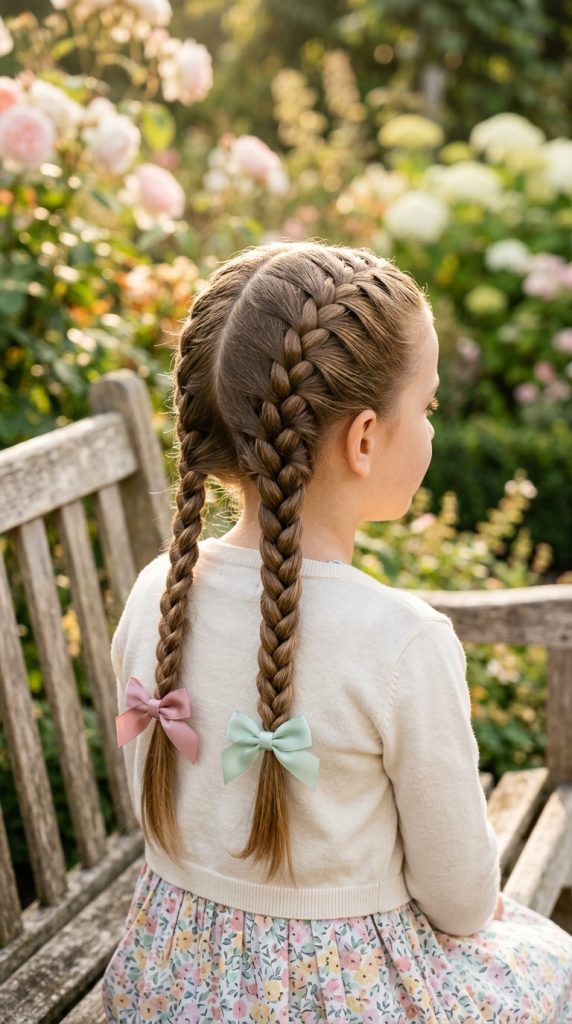
Double French braids remain one of the most practical hairstyles for active children because they keep hair neatly secured throughout the day. Begin by creating a straight center part from the forehead to the nape of the neck, dividing the hair into two equal sections. Secure one side temporarily while working on the other. Starting near the hairline, divide a small section into three strands and begin a traditional braid while gradually incorporating additional hair from each side. Continue braiding until reaching the ends before securing with a small elastic band. Repeat the same process on the opposite side while maintaining even tension and symmetrical braid size. Decorative ribbons or bows can be added near the ends for a cheerful finishing touch. This beginner friendly hairstyle suits school days, outdoor activities, and sports while providing long-lasting organization and comfort.
Idea 2: Crown Braid Hairstyle
Step-by-Step Guide
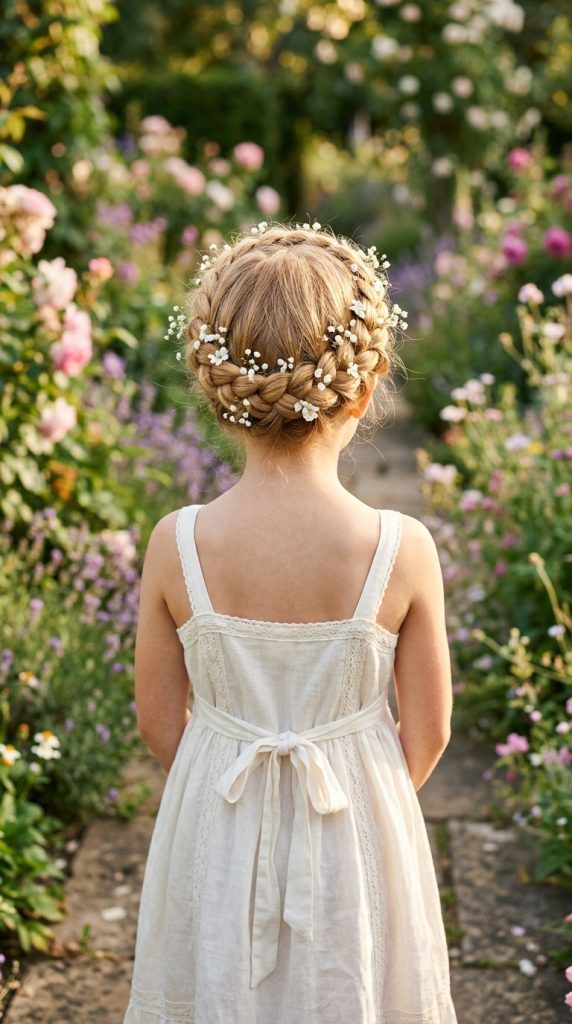
A crown braid creates an elegant hairstyle that wraps gracefully around the head, making it suitable for birthdays, weddings, holidays, and formal occasions. Begin by creating a deep side part and starting a French braid near one ear. Gradually braid around the head while adding small sections of hair as you continue along the hairline. Maintain gentle tension to keep the braid smooth without causing discomfort. Once the braid reaches the opposite side, continue with a traditional braid before securing the end discreetly beneath the completed crown using hairpins if necessary. Smooth any loose strands carefully for a polished appearance while avoiding excessive tightness. This creative hairstyle combines practical organization with decorative elegance, making it one of the most versatile braided styles for children with medium to long hair.
Idea 3: Heart-Shaped Braided Style
How to Make
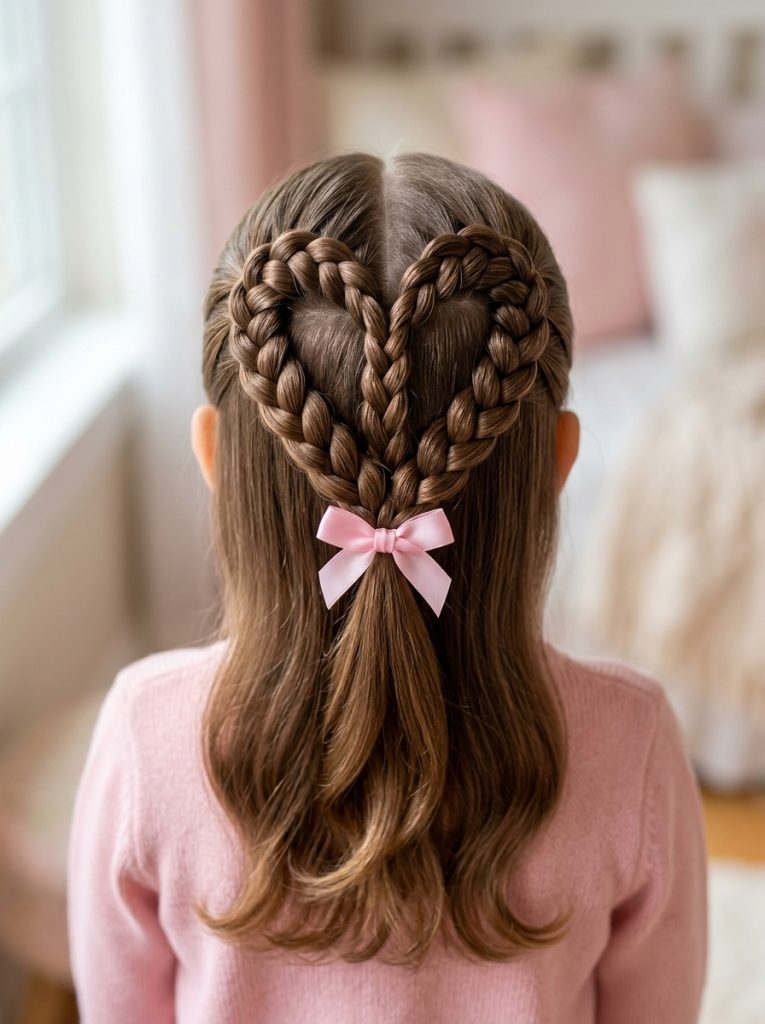
A heart-shaped braid offers a playful hairstyle that works especially well for celebrations and special occasions. Begin by creating a center part before sectioning the front hair carefully into curved shapes that form the outline of a heart. French braid along each curved section while gradually adding hair to maintain the heart shape. Join both braids together at the lower center point before continuing with a single traditional braid extending toward the ends. Symmetry is important, so check the overall shape frequently while braiding. Decorative bows placed where the two sections meet help emphasize the heart design while adding colorful detail. Although this hairstyle requires careful planning, the individual braiding techniques remain beginner friendly with practice. The finished design creates an attractive statement while keeping the hair securely organized.
Idea 4: Side Braided Ponytail
Setup Method
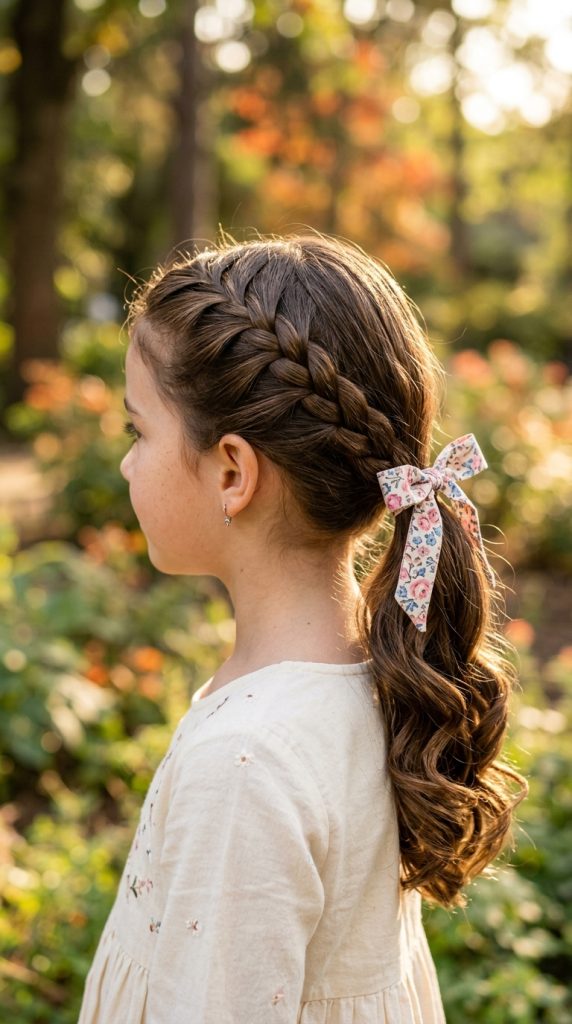
A side braided ponytail combines a decorative braid with the convenience of a simple ponytail. Begin by creating a side part before selecting a front section of hair for the braid. French braid diagonally across the head toward one side while incorporating additional strands gradually. Gather the remaining hair into a low or medium-height ponytail and secure it with an elastic band once the braid reaches the desired position. Wrap a small section of hair around the elastic if preferred to create a polished appearance. Decorative ribbons or bows may also be added to complement seasonal outfits or school uniforms. This practical hairstyle keeps hair comfortably away from the face while adding creative detail through the braided section. It remains suitable for everyday activities while requiring only moderate styling time.
Idea 5: Braided Pigtails with Ribbons
Execution Process
Braided pigtails provide a timeless children’s hairstyle that combines comfort with cheerful decoration. Divide the hair evenly using a straight center part before securing each section temporarily. Braid each side using a traditional three-strand braid while maintaining consistent tension throughout the process. Once both braids reach the ends, secure them with matching elastic bands and weave colorful ribbons through the braid or tie decorative bows near the bottom. Coordinating ribbon colors with clothing creates a polished and playful appearance without adding unnecessary complexity. Smooth flyaway hairs gently using a damp brush before completing the style. This easy project works particularly well for school, outdoor play, and family outings because it keeps hair organized while remaining comfortable throughout active movement.

Idea 6: Bubble Braided Style
How to Create
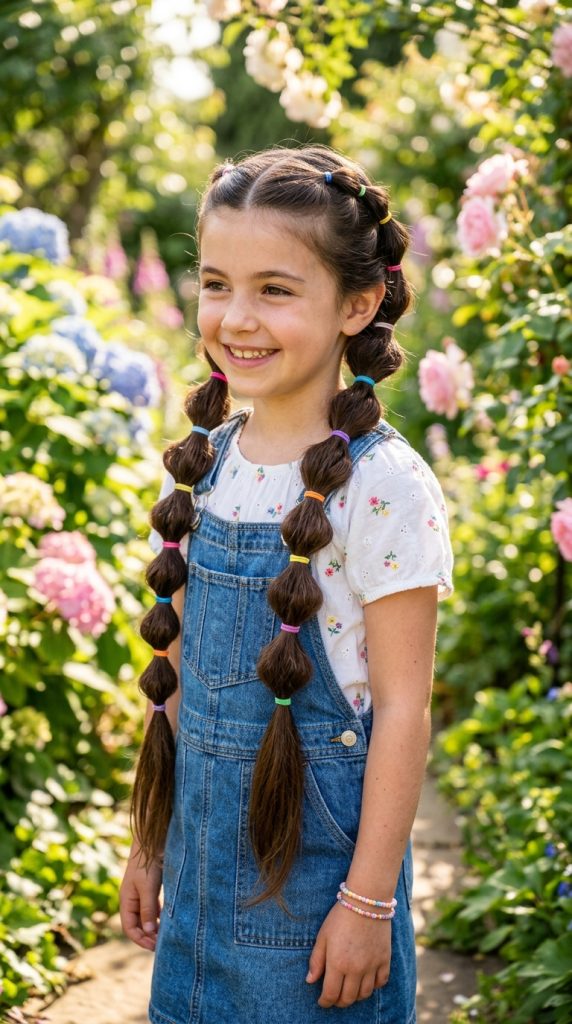
Bubble braids create the appearance of braided sections using evenly spaced elastic bands rather than traditional weaving techniques. Begin by gathering the hair into one or two ponytails depending on the preferred design. Place additional elastic bands at equal intervals down the length of each ponytail. Gently pull the hair between each elastic to create rounded bubble shapes while maintaining even spacing throughout the hairstyle. Decorative ribbons or colorful elastics enhance the playful appearance while allowing easy customization for different occasions. Although technically different from woven braids, bubble braids complement braided styles and provide an excellent beginner friendly alternative for younger children who may have finer hair. The hairstyle remains secure, comfortable, and visually appealing throughout busy days.
Idea 7: Zigzag Part Braids
Step-by-Step Guide
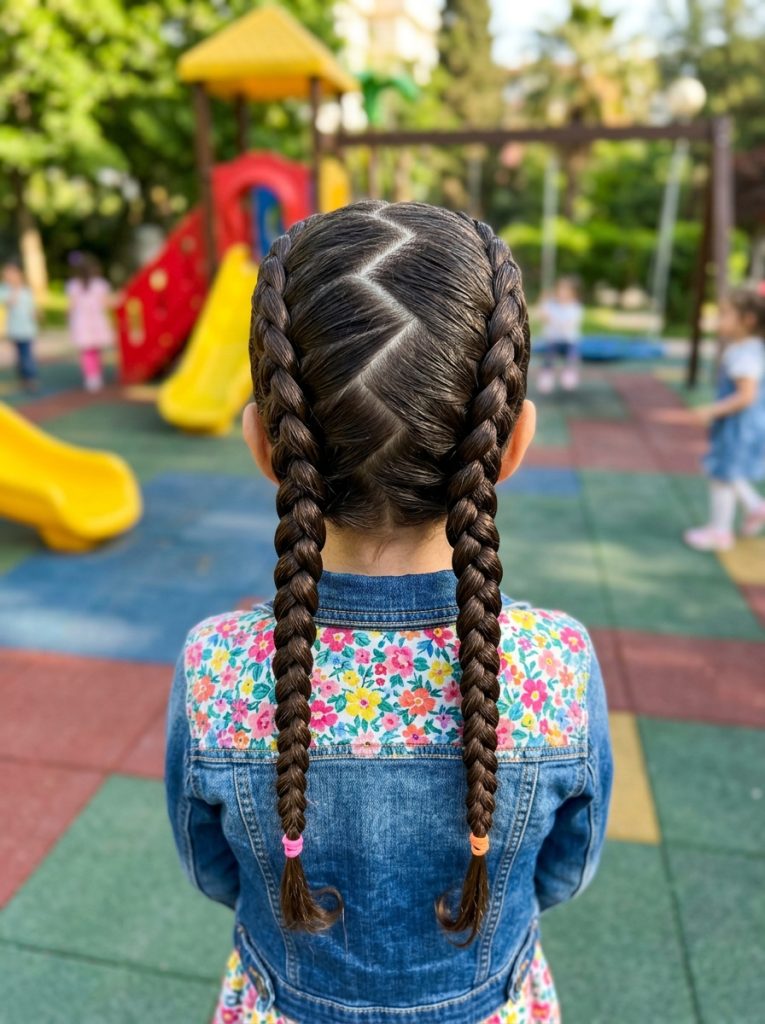
A zigzag part transforms simple braided hairstyles into more creative designs without significantly increasing styling difficulty. Begin by creating a clean zigzag part using the pointed end of a styling comb. Divide the hair into two equal sections following the part precisely before clipping one side out of the way. Create French braids or traditional braids on each side while maintaining consistent braid size and even tension. The decorative part becomes the focal feature of the hairstyle, so take time to create smooth, clearly defined angles. Finish each braid with matching elastic bands or decorative accessories that coordinate with the overall style. This hairstyle provides a fresh variation on classic braided looks while remaining suitable for everyday wear and special occasions.
Idea 8: Braided Bun Hairstyle
How to Make
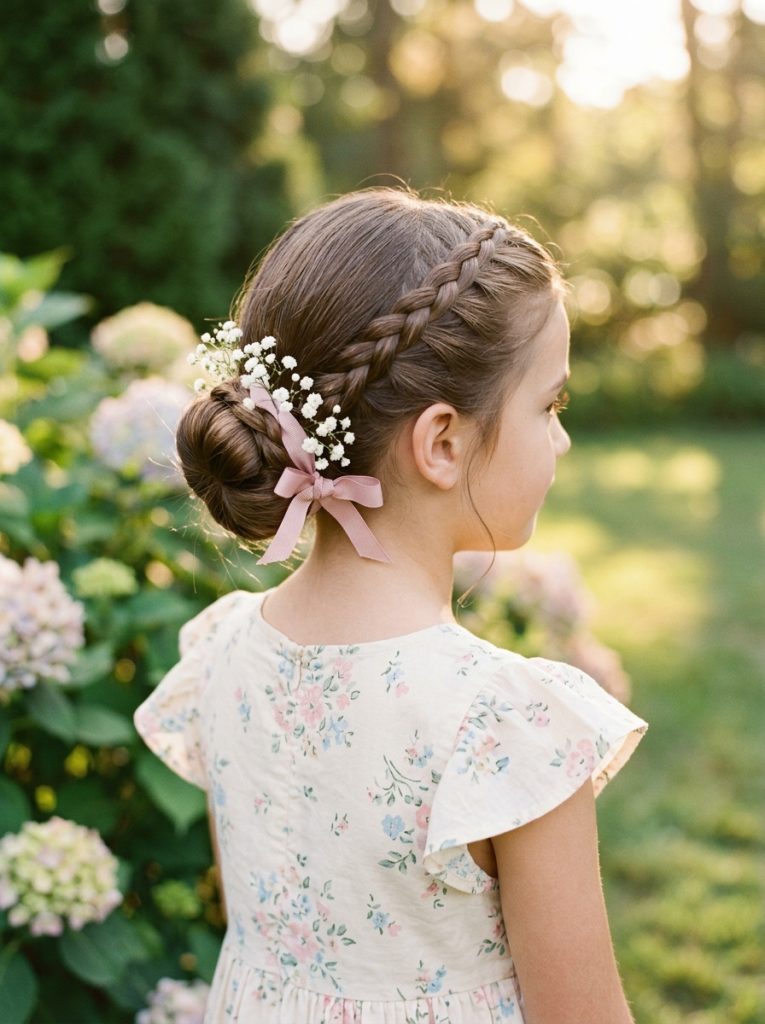
A braided bun combines secure organization with elegant styling suitable for dance performances, school events, weddings, and formal celebrations. Begin by gathering the hair into a high or low ponytail depending on the desired placement. Braid the entire ponytail using a traditional three-strand braid before wrapping it around the base to form a smooth bun. Secure the bun with additional elastic bands or hairpins while keeping the braid visible around the outer edge. Decorative bows, flowers, or small accessories may be positioned beside the bun to complete the hairstyle. Ensure that the bun remains secure but not overly tight for comfortable all-day wear. This creative project keeps hair neatly contained while presenting a refined appearance appropriate for many occasions.
Idea 9: Four-Strand Decorative Braid
Setup Method
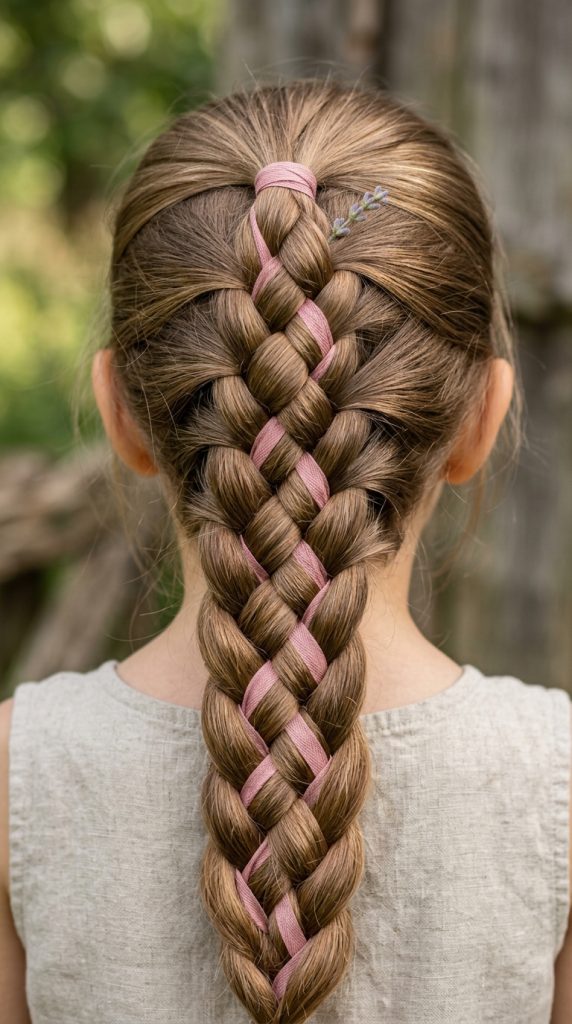
A four-strand braid introduces additional texture while creating a fuller appearance than traditional three-strand braids. Begin by dividing the hair into four equal sections after detangling thoroughly. Cross the outer strands over and under the center strands following a consistent weaving pattern while maintaining even tension throughout the braid. Work slowly during the first attempts to establish a steady rhythm before increasing speed. Once the braid reaches the desired length, secure it with a matching elastic band and gently loosen the woven sections slightly to create additional volume. Decorative ribbons or beads may be incorporated during braiding for extra detail. Although slightly more advanced than basic braids, this hairstyle becomes easier with practice while producing attractive results.
Idea 10: Mixed Braids with Colorful Bows
How to Create
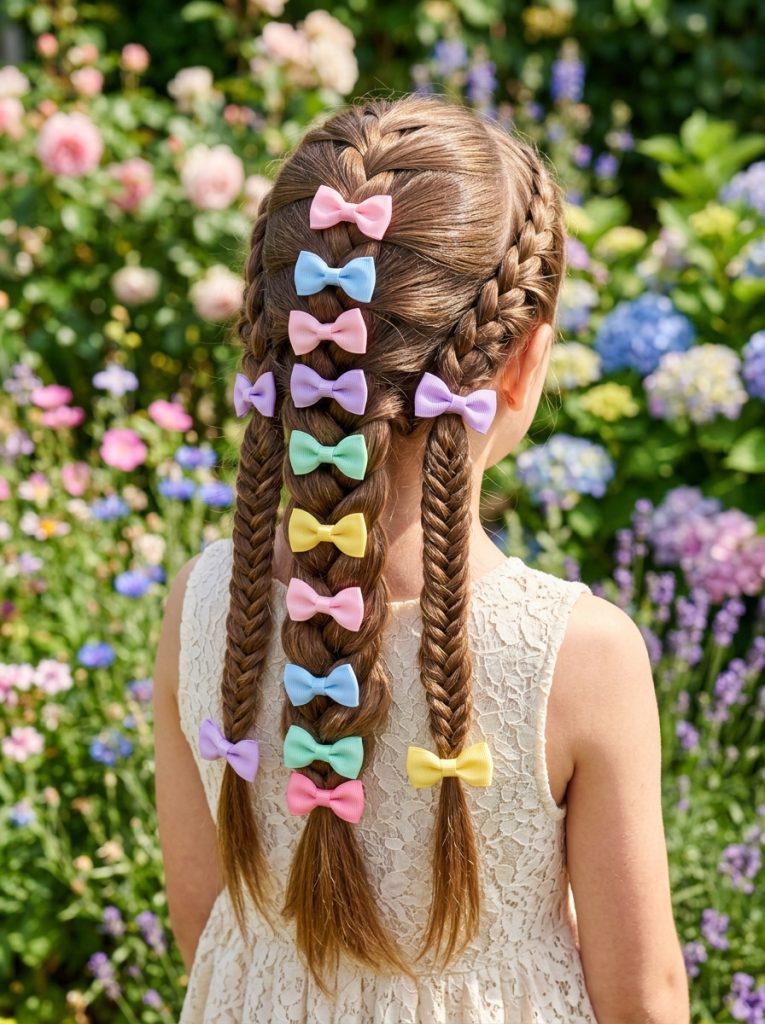
Combining several braid styles into one hairstyle creates an eye-catching look suitable for birthdays, parties, holidays, and family photographs. Begin by sectioning the hair into multiple areas before deciding where each braid style will appear. Use small French braids near the front, traditional braids along the sides, and one larger braid extending down the back to create visual variety while maintaining balanced proportions. Secure every braid neatly using matching elastic bands before adding colorful bows at selected connection points. Keep accessories coordinated rather than excessive so the braided patterns remain the primary focus. Smooth loose strands carefully before completing the hairstyle. This creative combination allows different techniques to work together while remaining practical enough for comfortable wear throughout the day.
Common Beginner Mistakes and How to Avoid Them
Many braided hairstyles become uncomfortable because the hair is pulled too tightly during styling. Excessive tension may cause discomfort while increasing the risk of breakage around the hairline. Uneven section sizes can also produce asymmetrical braids that appear untidy despite careful weaving. Skipping the detangling process often leads to knots that interrupt smooth braiding and create unnecessary pulling. Begin every hairstyle by thoroughly detangling the hair and dividing sections carefully before braiding. Maintain gentle, consistent tension throughout each braid instead of pulling forcefully. Practicing slower movements helps improve accuracy while creating more comfortable hairstyles that remain secure without causing strain.
Practical Tips for Better Results
Successful braiding depends on organization, patience, and consistent technique. Keep styling tools within easy reach before beginning and lightly mist the hair with water if strands become difficult to control. Practice clean parting lines because neat sections contribute significantly to the finished appearance. Work in front of a large mirror with bright lighting to improve visibility during detailed braid patterns. Secure completed sections immediately to prevent them from loosening while styling the remaining hair. Regular practice gradually improves braid speed and consistency, making even decorative hairstyles easier to complete.
Styling, Presentation, and Organization Ideas
Braided hairstyles look especially attractive when coordinated with simple accessories that complement rather than overpower the braid pattern. Choose ribbons, bows, or beads that match clothing colors or seasonal themes while maintaining a balanced appearance. Position decorative elements symmetrically whenever possible to enhance visual harmony. Combining braids with ponytails, buns, or loose curls at the ends introduces additional variety without changing the basic styling techniques. Keeping accessories organized in separate containers also simplifies future hairstyling sessions and reduces preparation time.
Budget and Time Planning
Braided hairstyles remain one of the most budget friendly styling options because they require only basic tools that can be reused repeatedly. A comb, elastic bands, clips, and simple accessories support numerous hairstyle variations without requiring expensive equipment. Traditional braids often take less than fifteen minutes, while more decorative patterns such as crown braids or heart designs may require additional practice and styling time. Preparing the hair before beginning improves efficiency while reducing interruptions. Organized planning allows even detailed hairstyles to become manageable parts of busy morning routines.
Creative Expansion and Advanced Inspiration
After mastering basic braid techniques, experiment by combining multiple braid styles, decorative partings, ribbons, and accessories to create unique hairstyles for different occasions. Seasonal color themes, floral accessories, and layered braid patterns introduce fresh inspiration while maintaining practical organization. Explore combinations of French braids, fishtail braids, bubble sections, and braided buns to develop more personalized styles as your confidence grows. Every completed hairstyle strengthens braiding skills while encouraging creativity and providing new Pinterest ideas that combine comfort, beauty, and functional everyday styling for children.




Post Comment